Back to Blogs
Yes, you can get centralized monitoring of security cameras at a low cost. Learn how cloud video platforms unify multi-site security without replacing existing hardware.
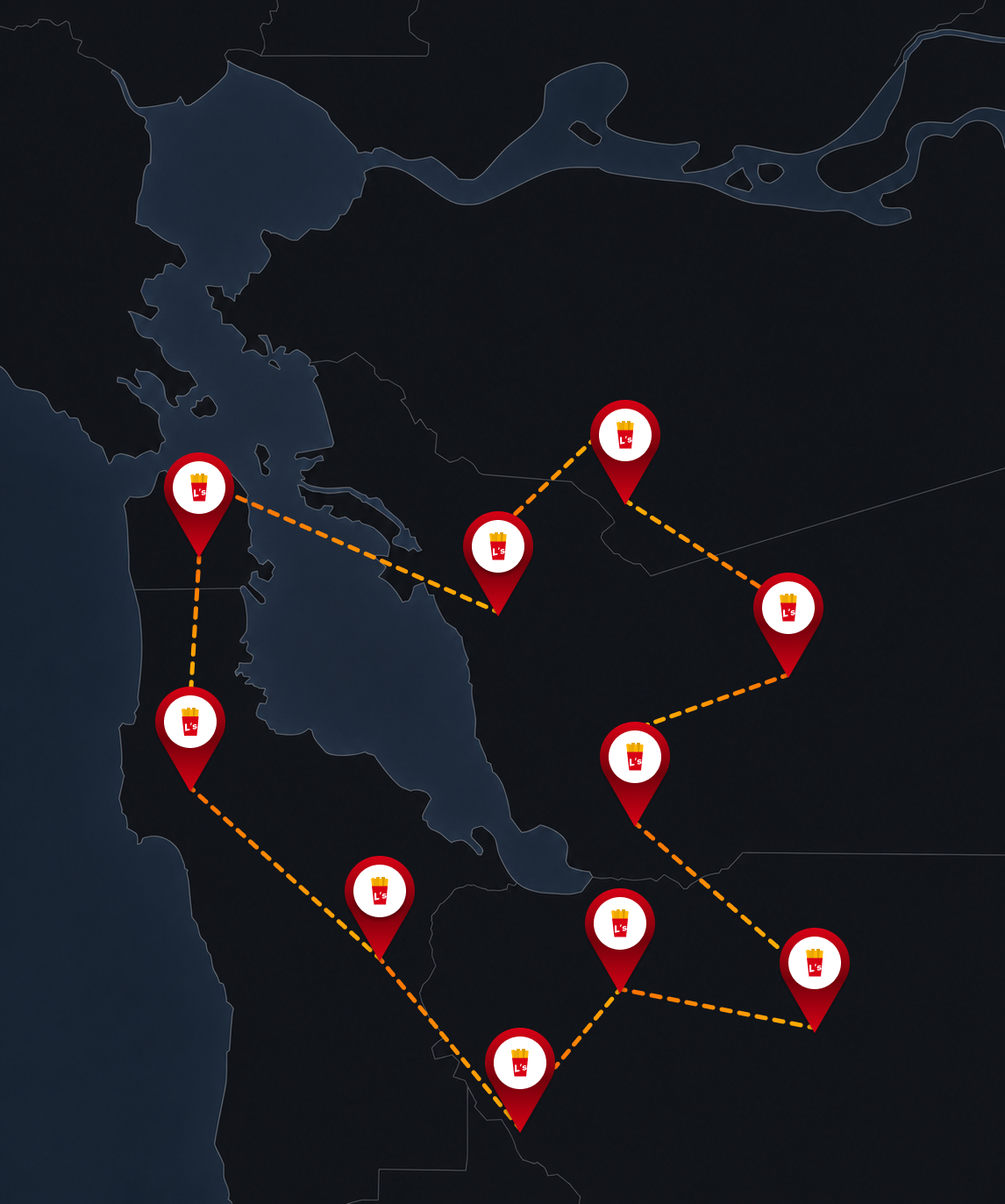
Managing security cameras across multiple locations doesn’t have to mean a separate system at every site and a different login for every building. A cloud-based video management platform connects all of your existing IP cameras into one unified dashboard, giving operations managers a live view of every location, a single alert stream, and the ability to search footage across sites without ever switching systems. For businesses that already have cameras installed, the upfront cost is far lower than most expect.
This architecture allows business owners to view live feeds, manage real-time alerts, and search footage across dozens or hundreds of locations from a single secure login. By utilizing the infrastructure you already own, you drastically reduce upfront costs while gaining enterprise-grade visibility across your entire physical footprint.
In a traditional physical security setup, each building operates as an isolated environment. If you manage five different retail stores or a sprawling school district, you likely have separate local video recorders at every single site. To check on a specific location, operations managers are forced to log into that specific site's system. This approach usually involves clunky remote access tools, unreliable virtual private networks, and a tremendous amount of wasted time.
Centralized camera monitoring eliminates this fragmented and frustrating approach. It pulls the live video feeds, historical recordings, and real-time analytical data from every camera across all of your properties into one unified cloud-based dashboard. Instead of logging into separate systems to see different buildings, operations managers can see their entire physical portfolio on one screen. This single pane of glass approach means you can actively monitor a warehouse in Texas and a retail storefront in New York simultaneously from any web browser or mobile device.
Any organization that operates across more than one physical location will benefit from a unified security view. However, certain industries face unique operational challenges that make centralized monitoring an absolute necessity rather than a luxury.
Modern centralized monitoring relies on a hybrid edge-plus-cloud architecture. At each of your physical locations, an AI-NVR is installed, which is a compact, purpose-built appliance with a dedicated GPU that processes your camera feeds locally at the edge. Rather than pushing raw video to the cloud for analysis, most of the heavy AI lifting happens on-site in real time. The results, alerts, and video data then sync securely to a cloud dashboard, giving authorized users full remote access from any web browser or mobile device anywhere in the world. This approach is what makes the system both fast and cost-effective: local processing keeps latency low and cloud costs down, while cloud connectivity delivers the centralized visibility multi-site operators need.
Furthermore, this unified architecture consolidates your security notifications. Rather than receiving isolated emails from five different video recorders, you get one unified alert stream. If a perimeter is breached at your distribution center and a secure door is propped open at your corporate office, both real-time alerts appear in the same centralized feed for immediate review.
No, achieving a centralized view does not require you to rip out and replace your existing security infrastructure. The ability to retrofit your current system is the primary reason this technology is now highly budget-friendly for small and mid-sized businesses.
The assumption that a unified multi-site dashboard requires a full camera replacement is one of the most common misconceptions in physical security. In practice, the dashboard itself is a software interface that pulls data from wherever your cameras are, as long as those cameras communicate over an IP network, they can be connected. The centralized view you gain has nothing to do with the age or brand of your hardware and everything to do with the software platform sitting above it. What this means in practice is that a retail operator with ten stores, each running a different camera brand installed at different times, can bring all of them under one roof without replacing a single lens.
You avoid the massive capital expenditure of buying new equipment, paying for expensive new network cabling, and enduring disruptive construction downtime at your facilities.
LiveReach AI provides a modern cloud-based camera system designed specifically to help organizations scale securely. By acting as the central nervous system for your physical security, LiveReach AI allows IT and operations teams to unify their technology stack without performing a costly rip-and-replace of existing IP cameras. Customers gain immediate access to ultra-fast video search, proactive AI-powered alerts, and comprehensive operational tools like Video Intelligence and Access Control.
Retailers, nonprofits, manufacturers, and multi-site operators nationwide trust the platform to manage complex physical footprints at scale. By keeping hardware costs low and software capabilities exceptionally high, LiveReach makes enterprise-grade centralized monitoring accessible to organizations of every size, whether you’re managing two locations or two hundred.
Can I monitor cameras from multiple locations on one platform?
Yes. Modern cloud-based video security systems pull live video feeds, recorded historical footage, and analytical data from all your physical locations into a single web-based dashboard. This unified approach completely eliminates the need to log into separate, isolated systems for each individual site.
Do I need to replace my existing cameras to get centralized monitoring?
No. The most cost-effective platforms on the market allow you to easily connect your existing IP security cameras to their modern software. This smart retrofit approach saves businesses from spending thousands of dollars on brand new hardware and expensive installation labor.
How much does centralized security camera monitoring cost for a small business?
Because you can reuse your existing cameras, the upfront capital costs are drastically reduced. Businesses typically pay a predictable software subscription fee for the cloud management, remote storage, and active AI analytics. This model prevents businesses from making massive capital investments in proprietary hardware servers for every single location.
Can I get alerts from all my locations in one place?
Absolutely. Centralized platforms consolidate all of your security notifications into one unified stream. Whether a safety hazard is detected at your regional warehouse or a restricted area is breached at your local retail store, the real-time alert will be pushed directly to your single mobile application or desktop dashboard.
Is cloud-based centralized monitoring secure?
Yes. Leading cloud video platforms prioritize data protection by utilizing end-to-end encryption for video data. They also offer robust audit logs and advanced role-based permissions to ensure that only authorized personnel can access sensitive footage across the network. Systems that support NDAA compliant hardware and local on-premise storage add an additional layer of enterprise security.
How many locations can I manage from a single dashboard?
Modern cloud architectures are built for limitless scalability. A business can seamlessly manage anywhere from two locations to thousands of sites globally from one unified interface, all without experiencing performance lag or needing to overhaul the underlying system architecture.
Schedule a demo of our platform to see how LiveReach can improve security at your organization.
Request Demo