Back to Blogs
Learn what an AI NVR is, how it differs from a standard NVR, and what to look for when choosing one in 2026. Discover how hybrid edge-and-cloud AI NVR systems connect to your existing cameras without replacing hardware.
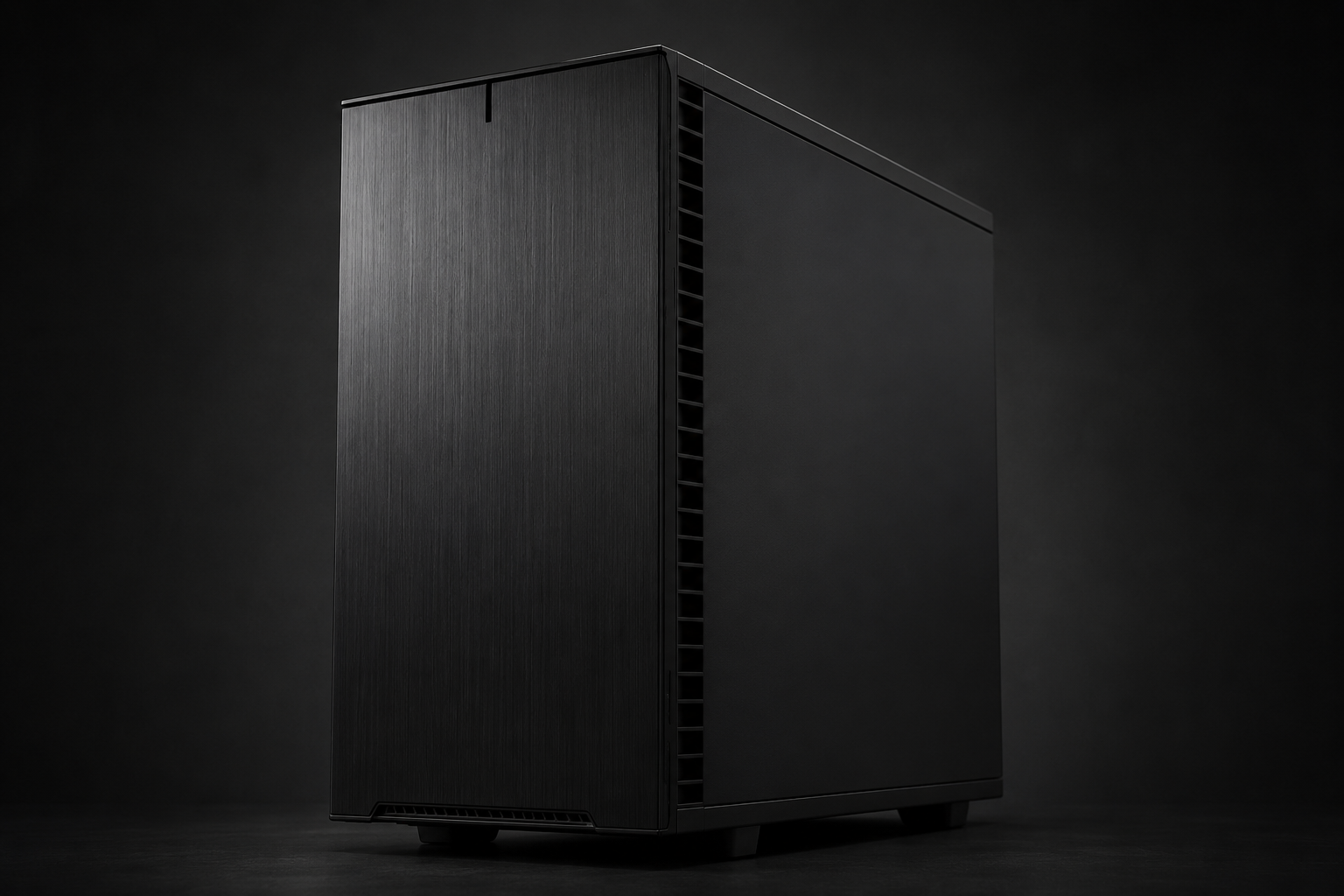
The best options for implementing an AI NVR involve adopting a hybrid architecture that connects powerful edge computing directly to your existing IP security cameras. For IT directors, facilities managers, and multi-site operations leads, upgrading physical security architecture is a major decision. Standard digital recorders have served their purpose for years, but as operations scale across different regions, the limitations of passive recording become obvious. Moving to an AI-equipped system allows organizations to transform video data into an active, measurable operational tool.
To understand the modern upgrade, you must first understand the baseline. A standard Network Video Recorder (NVR) simply acts as a digital filing cabinet for your security footage. It receives digital video streams from your connected IP cameras, writes that raw data to a local hard drive, and waits for a human operator to manually review the footage days later when something goes wrong. It is a completely passive piece of technology.
An AI NVR changes this dynamic entirely by adding a dedicated Graphics Processing Unit (GPU) that runs advanced machine learning models directly on the local device. Instead of just storing video files in a dark server room, the system actively analyzes the pixels in real time. It understands the context of the footage by recognizing the distinct physical differences between a person walking, a vehicle driving, and a tree branch blowing in the wind. This transforms the recorder from a passive storage box into a system that actively monitors and alerts in real time.
Understanding the underlying architecture is crucial for IT teams evaluating these systems. The most effective options utilize a hybrid cloud and edge computing approach. The physical AI NVR appliance sits on site at your facility and connects securely to your local camera network. Because it has a dedicated GPU, it processes the heavy, high resolution video feeds locally at the edge.
This local processing ensures ultra low latency and prevents your facility from wasting massive amounts of network bandwidth pushing raw, continuous video to the internet. Most of the AI processing happens on-site. When the system detects a significant programmed event, it securely sends only select, relevant video clips to the cloud AI for additional analysis. The cloud then serves as your unified remote dashboard, allowing authorized users to access alerts and live feeds securely from any web browser.
Adding local processing power unlocks several capabilities that fundamentally change how operations leads manage their facilities on a daily basis.
Real-Time Detection and Proactive Alerts: Instead of finding out about an unauthorized entry the next day, the system sends proactive notifications the moment a person or vehicle crosses a restricted boundary.
Natural Language Video Search: Standard recorders force you to guess timestamps and manually scrub through hours of grainy video. With an AI NVR, you can simply type a phrase like a person in a yellow hat or a specific vehicle type into a search bar to instantly find matching events across all connected cameras.
Operational Analytics: The intelligence goes far beyond safety. Facilities can generate heatmaps of foot traffic, measure throughput times at manufacturing loading docks, and track equipment utilization to improve daily productivity and workflow bottlenecks.
Browser Accessibility: Legacy NVRs notoriously require clunky desktop application installs, outdated plugins, and manual IT upgrades just to view footage. Modern AI NVRs are fully browser accessible, meaning your team can securely log in from any modern device without friction.
When researching the best hardware options for your organization, you should prioritize systems that offer deep flexibility, robust computing power, and low maintenance requirements. Here is what to evaluate during your research phase:
Camera Compatibility and ONVIF Support: The system must support open communication standards like ONVIF. This ensures the recorder can communicate with a wide variety of existing camera brands without locking you into a proprietary ecosystem.
GPU Power: Ensure the appliance features a dedicated, enterprise grade GPU. It needs enough processing power to handle multiple 4K video streams and run complex machine learning models simultaneously without lagging.
Hybrid Cloud Access: The platform should provide a secure web dashboard for remote access while strictly maintaining local storage for speed and data compliance.
Scalable Storage: Look for flexible hard drive configurations that allow you to meet thirty, sixty, or ninety day retention requirements with proper RAID redundancy.
No, implementing this technology does not mean you have to rip out and replace your existing infrastructure. This is a common misconception that unfortunately stops many multi-site operators from upgrading their technology stack.
Because modern AI NVRs utilize the universal ONVIF standard, they can connect directly to the IP security cameras you already own. The advanced intelligence lives inside the network recorder itself, meaning your older digital cameras instantly gain smart detection and search features the moment they are connected to the appliance. This retrofit approach saves IT teams from enduring massive capital expenditures and prevents the operational disruption of running new network cables across busy facilities.
Upgrading to an intelligent architecture is manageable because the pricing structure is straightforward and predictable. Businesses make a one time hardware investment to purchase the AI NVR appliance for their specific facility. After the initial hardware purchase, organizations pay a simple monthly software subscription per camera.
This subscription covers the continuous machine learning updates, the secure cloud dashboard access, and ongoing technical support. For organizations managing large rollouts across dozens of sites, flexible financing is often available to help structure the investment as a predictable operating expense rather than a massive upfront capital drain.
The LiveReach AI-NVR is engineered specifically to help organizations modernize their physical security without the headaches of a full system replacement. As a core LiveReach product, it features a powerful edge GPU that processes high resolution video locally, ensuring rapid incident resolution and accurate threat detection.
By leveraging a true hybrid cloud architecture, LiveReach ensures most processing stays securely on site while providing operations teams with a reliable, centralized cloud dashboard. Because it seamlessly connects to your existing IP cameras, the LiveReach AI-NVR delivers enterprise grade visibility and operational analytics to IT teams, manufacturing plants, educational campuses, airports, and automotive facilities in a cost effective package.
What is the difference between an NVR and an AI NVR?
A standard NVR passively records video footage to a hard drive for manual review at a later date. An AI NVR includes a dedicated graphics processing unit that runs machine learning models locally on the device. This allows it to actively analyze video in real time to detect specific objects, track behaviors, and index critical events.
Do I need to replace my cameras to use an AI NVR?
No. Most advanced AI NVRs use the universal ONVIF standard to connect seamlessly with existing IP cameras from almost any major manufacturer. This allows you to add powerful artificial intelligence capabilities to your current camera network without an expensive hardware replacement.
What AI features does an AI NVR provide?
An AI NVR provides an array of advanced operational tools. These include accurate person and vehicle detection, natural language video search, real time proactive alerts, foot traffic heatmaps, and operational throughput analytics to measure business efficiency.
How does an AI NVR connect to the cloud?
It uses an efficient hybrid architecture. The heavy video processing happens locally on the device to reduce latency and save your network bandwidth. It then securely syncs select relevant video clips and analytical data to a cloud server, which powers a centralized web dashboard for easy remote access.
How much does an AI NVR cost?
The modern pricing model typically involves a one time hardware purchase for the local appliance, followed by a predictable monthly software subscription fee for each connected camera. Flexible financing options are also widely available for larger enterprise deployments to help manage costs.
What industries benefit most from AI NVR systems?
Organizations with complex operational needs and multiple locations benefit the most from this technology. This includes IT teams managing distributed retail chains, manufacturing plants, educational institutions, busy airports, and high volume automotive facilities.
Schedule a demo of our platform to see how LiveReach can improve security at your organization.
Request Demo