LiveReach helps treatment centers and rehabilitation facilities improve physical security, review incidents faster, and maintain visibility across appropriate shared and restricted areas.
Modernize compatible existing cameras with AI-powered video search, real-time alerts, case management, and centralized access across every authorized facility.
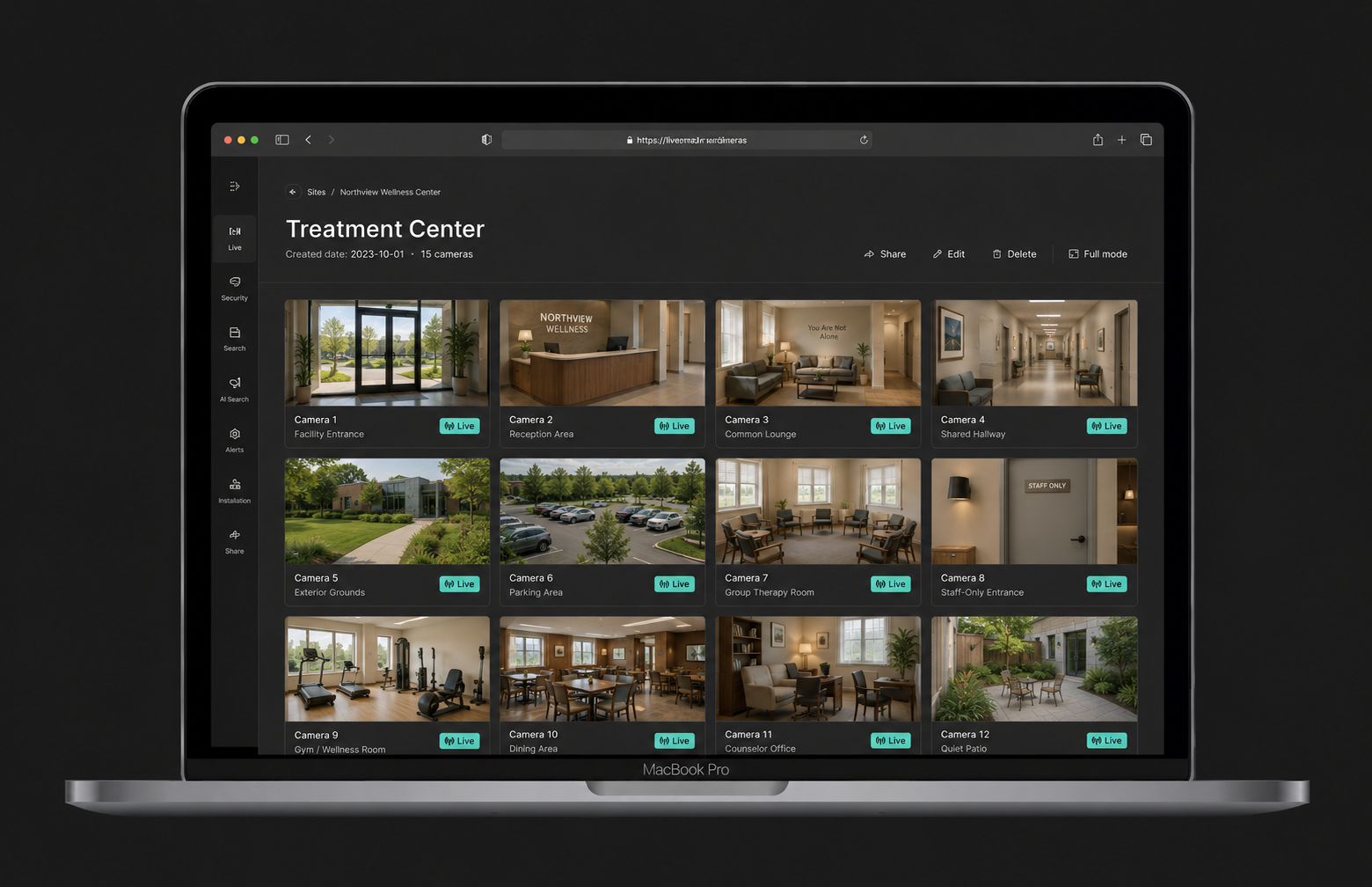
Treatment and rehabilitation facilities must maintain a secure environment while respecting patient dignity, privacy, and access to care.
Security and operations teams need visibility across entrances, reception areas, shared hallways, common spaces, exterior grounds, parking areas, medication storage entrances, and staff-only locations. When an incident occurs, they also need to find and document relevant footage without manually reviewing hours of recordings.
LiveReach brings cameras, AI-powered search, real-time alerts, case management, and supported access events into one platform. Facilities can improve physical security across a single location or a growing treatment network while continuing to use compatible camera infrastructure.
LiveReach helps authorized teams monitor appropriate areas, review potential security concerns, and investigate incidents with greater speed and context.
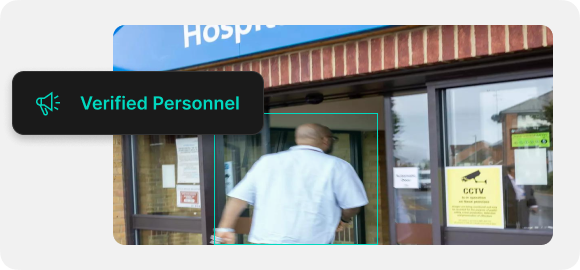
Maintain visibility around main entrances, visitor access points, reception areas, staff entrances, exterior doors, and other designated access locations.
Configured alerts can bring supported activity in monitored areas to the attention of authorized staff, helping teams review after-hours movement, unexpected entry, exit activity, and other potential security concerns.
Quickly locate footage when a safety, security, or operational incident occurs in an appropriately monitored area.
AI-powered video search helps authorized users find relevant people, movement, vehicles, and events without reviewing recordings minute by minute. Teams can collect clips from multiple cameras and organize them into a clearer incident timeline.
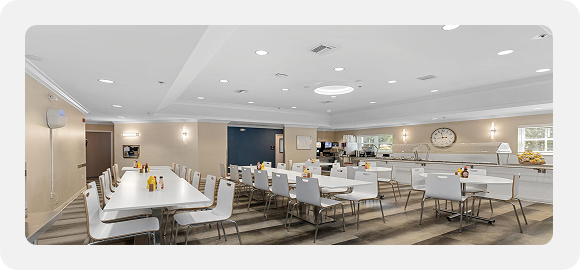
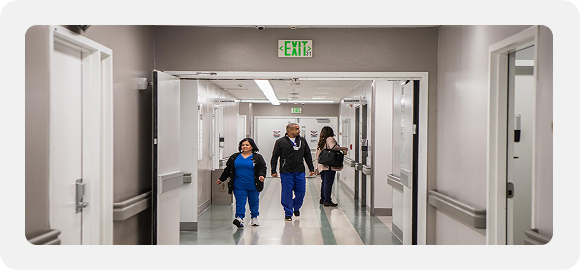
Monitor appropriate shared spaces such as lobbies, hallways, dining areas, recreation spaces, courtyards, and facility grounds.
Relevant video can help teams understand the circumstances surrounding an incident, confirm activity and timing, and improve awareness across larger or more complex facilities.
.png)
Maintain security around medication storage entrances, administrative offices, supply areas, staff-only rooms, and other controlled locations.
Supported alerts, access events, and related video can help authorized teams investigate unexpected entry, missing property, and activity involving restricted spaces.

View authorized cameras, alerts, users, and incidents across treatment centers, rehabilitation facilities, residential programs, and administrative locations from one platform.
Regional teams can maintain broader oversight while limiting local users to the locations, cameras, and functions relevant to their responsibilities.
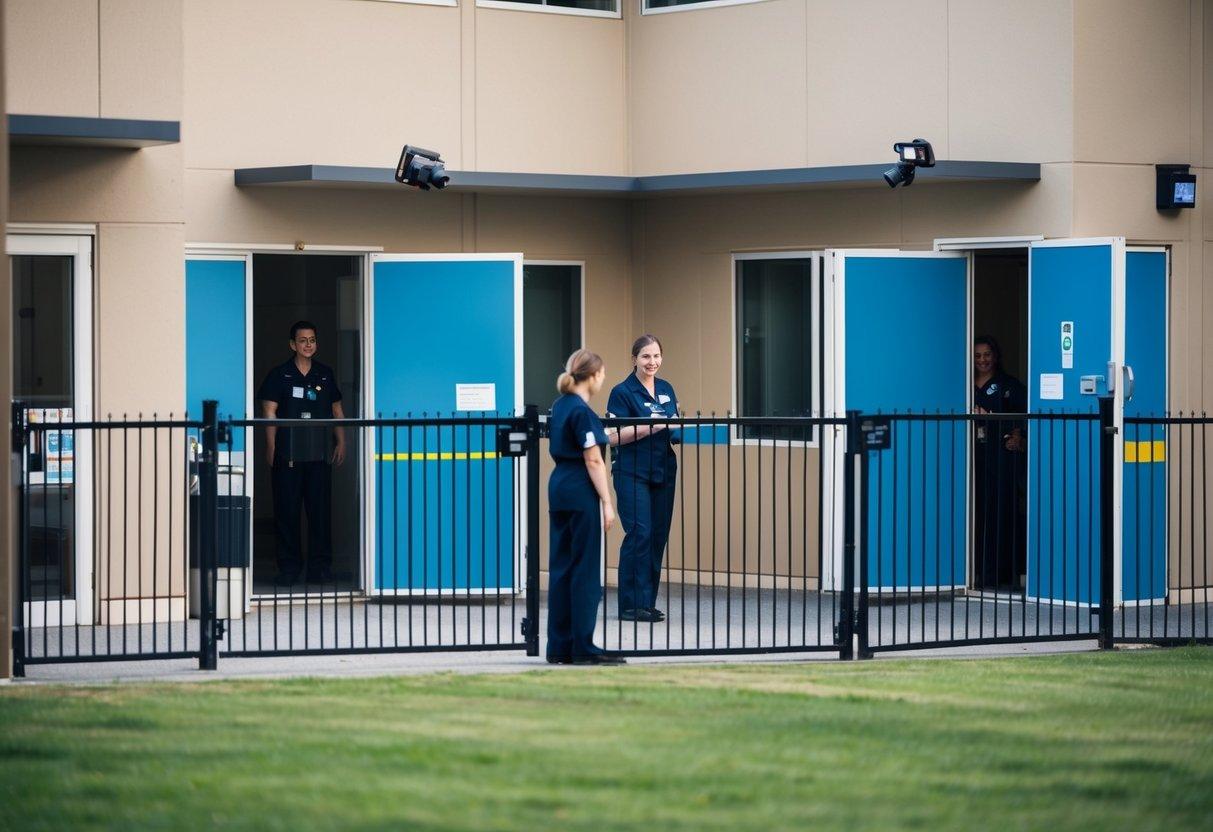
LiveReach can support physical security and incident review across environments such as:
• Substance use treatment centers
• Drug and alcohol rehabilitation facilities
• Behavioral health treatment centers
• Residential treatment programs
• Inpatient rehabilitation facilities
• Outpatient treatment centers
• Recovery residences and Sober Living facilities
• Multi-location treatment organizations
Coverage, camera placement, alert configuration, user permissions, and retention policies should reflect the facility environment, applicable laws, patient privacy requirements, and organizational policies.
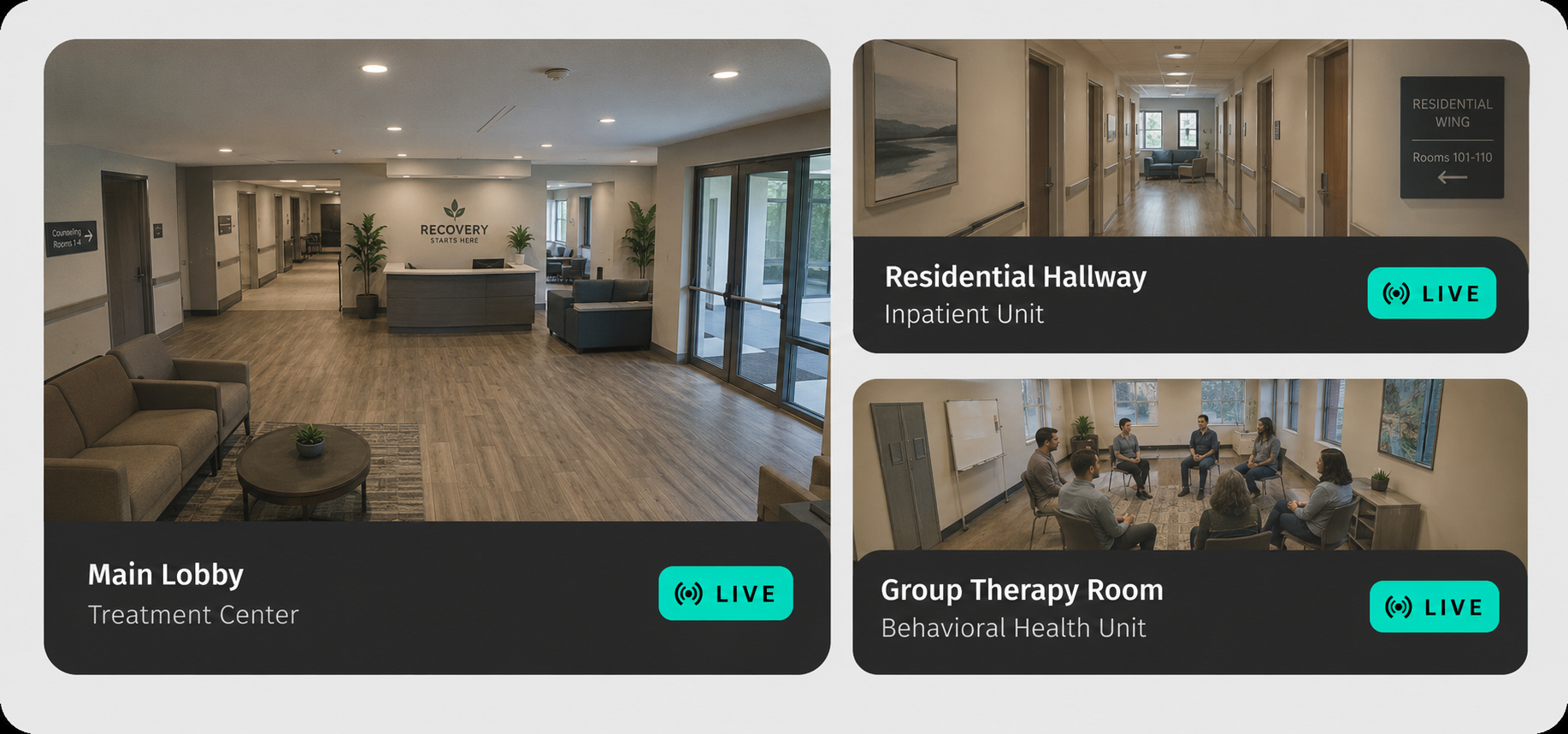

A physical security incident may involve several locations and camera views.
LiveReach helps authorized users search recorded footage for relevant people, vehicles, movement, and events across cameras. Teams can narrow an investigation, collect related clips, and organize evidence into a case for internal review or authorized sharing.
This can support investigations involving unauthorized access, visitor activity, missing property, altercations, perimeter concerns, and other physical security events.
Configure supported alerts for designated entrances, exit areas, exterior locations, parking areas, restricted rooms, and other monitored spaces.
Rather than depending entirely on continuous manual observation, authorized teams can focus attention on activity that may require review.
Alert availability and performance depend on camera placement, visibility, system configuration, and the selected LiveReach features.

.png)
LiveReach can connect with compatible access-control and security systems to provide additional context around entrances and restricted areas.
Authorized teams can review relevant access activity and video in a more unified workflow, helping them investigate staff entry, visitor access, after-hours activity, and questions involving controlled rooms.
Treatment organizations may need different permissions for security personnel, administrators, operations teams, IT staff, compliance personnel, and regional leadership.
LiveReach role-based access helps organizations control which users can view cameras, manage systems, or share footage. This can reduce unnecessary access to sensitive video while giving authorized teams the visibility required for their responsibilities.
.png)
.png)
LiveReach case management helps authorized teams collect video clips, screenshots, notes, and supporting material related to an incident.
Keeping relevant evidence together can simplify internal reviews, improve collaboration, and make it easier to share approved footage with leadership, insurers, legal teams, or public safety agencies when appropriate.

Works With Compatible Existing Cameras
Add AI-powered search, alerts, cloud access, and centralized management to compatible camera environments without automatically replacing the entire system.
Faster Incident Review
Search recorded video for relevant people, vehicles, movement, and events instead of reviewing footage minute by minute.
Streamlined Case Management
Collect clips, screenshots, notes, and incident details in one place for authorized review and collaboration.
Role-Based User Access
Control which facilities, cameras, footage, and platform functions are available to each authorized user.

See how LiveReach can help your team monitor appropriate facility areas, protect restricted spaces, review incidents faster, and manage video across every authorized location.
Request a demo to see how LiveReach can benefit you.
A treatment center video security system helps authorized teams monitor appropriate shared, exterior, and restricted areas, review incidents, manage cameras, and respond to physical security concerns.
LiveReach adds AI-powered search, real-time alerts, case management, role-based access, and centralized multi-location visibility to compatible camera environments.
LiveReach is designed to work with many compatible existing camera environments. This allows treatment and rehabilitation facilities to add modern video security capabilities without automatically replacing every camera.
Compatibility should be confirmed based on the cameras, network, and infrastructure used at each location.
AI-powered video search helps authorized users locate relevant people, vehicles, movement, and events without manually reviewing hours of footage.
Teams can use the results to investigate unauthorized access, visitor activity, missing property, altercations, perimeter concerns, exit activity, and other physical security incidents.
LiveReach can provide video visibility, supported alerts, and faster footage search around appropriately monitored exits, gates, and exterior areas.
These capabilities can help authorized staff review an elopement concern or unexpected exit event. LiveReach does not guarantee that an incident will be detected or prevented.
LiveReach can provide video visibility and supported alerts for appropriately monitored medication storage entrances, administrative rooms, supply areas, and other restricted locations.
Available coverage depends on camera placement, facility policies, system configuration, and the selected LiveReach features.
Yes. Authorized teams can access cameras, alerts, users, and incidents across multiple treatment centers and rehabilitation facilities through the LiveReach platform.
Role-based permissions can help limit each user to the facilities and platform functions relevant to their responsibilities.
LiveReach supports integrations with compatible access-control and other security systems.
Specific compatibility should be confirmed based on the technology and infrastructure used at each facility.
Authorized users can collect relevant video clips, screenshots, notes, and other supporting material in a LiveReach case.
This can help teams organize evidence for internal review and approved sharing without relying on separate folders or disconnected tools.
No. LiveReach is a physical video security and intelligence platform.
It does not diagnose medical or behavioral conditions, evaluate treatment progress, determine a patient’s clinical status, or replace appropriate staffing, clinical supervision, emergency response, or patient care procedures.
LiveReach should not be positioned as a system that identifies relapse, overdose, self-harm, withdrawal, distress, or other medical or behavioral health conditions.
It supports physical video security, alerts for configured and supported activity, and post-incident review in appropriately monitored areas.
Treatment providers should confirm with LiveReach whether a proposed deployment, product configuration, contractual arrangement, and data-handling process meet their specific HIPAA and privacy requirements.
Facilities should also involve their legal, privacy, compliance, and IT teams before deploying cameras or storing video that could contain protected or sensitive information.